Posts
-
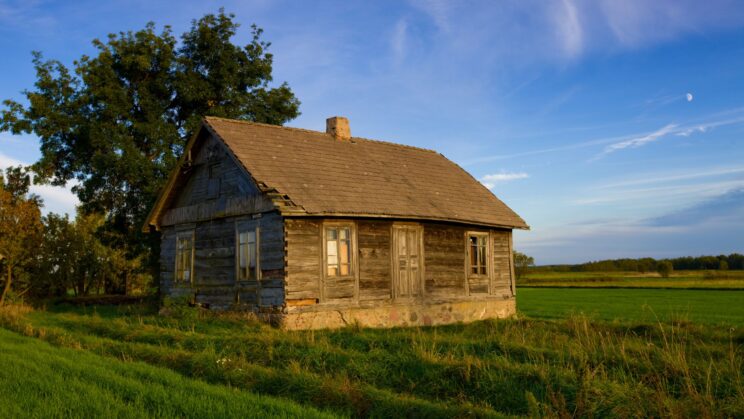
House and Land Histories for Genealogical Purposes
Webinar Abstract: Our ancestors made themselves homes and these homes created records. Understanding how to research these records may be your answer to a difficult research problem! -
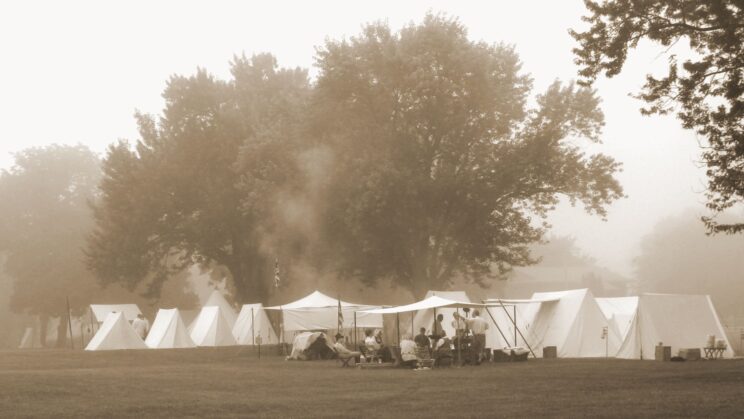
Missing-Presumed Dead: A Case Study of a Civil War Soldier’s Records
Webinar Abstract: This presentation is a case study to introduce a soldier of the Union army. With state, federal, family, and generalized genealogical his story will build, record by record. We will further contextualize his experience with historical events and social history about his home, regiment, and battles to understand the type of fuller picture we can build about our ancestors. This lecture is not just a story, it is a walk through how the records were found as well. Join us to find Edward: missing—presumed dead in the American Civil War. -
Bringing Your Ancestor to Life
Webinar Abstract: This lecture will ask you to put on your “CSI” hat and use your detective skills and critical thinking abilities to solve a genealogical research problem when little information is known. Starting with a newspaper death announcement, a little social history, and a photograph, we will create a series of questions that need answers to bring our subject to life. Using the clues found in a death announcement, you will learn the strategies needed to identify the records and resources that will help solve the unknown and bring an ancestor to life. -
Early Florida Obituaries
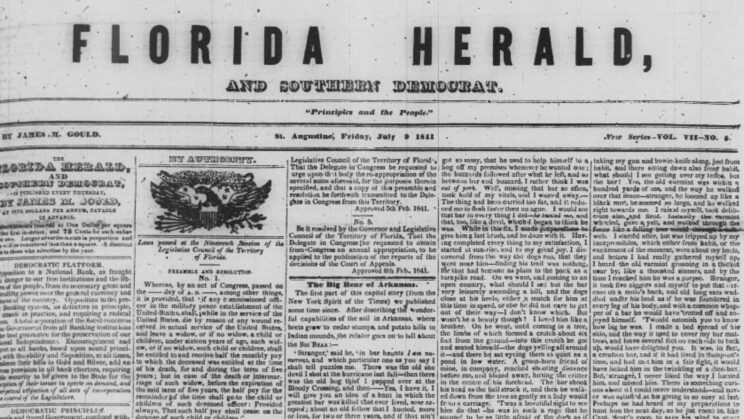
This database contains over 200 abstracts of obituaries and death notices from Florida newspapers published between 1820 and 1920.
Newspapers Include:
- Florida Herald and Southern Democrat
- Floridian and Journal
- Fernandina Observer
- The Floridian and Advocate
- The Jacksonville Courier
- The Florida Mirror: Fernandina, FL
- The Marianna Courier
- East Florida Advocate, Jacksonville, FL
- Florida News (Jacksonville)
- The Apalachicola Courier
- The East Floridian
-
Out on a Limb, Trapped by Bad Research
Webinar Abstract: Feeling trapped with nowhere to go? Bad, weak or missing evidence all contribute to misleading research. Review your research findings, sharpen your techniques, evaluate your sources, and map a new course. -
Organize Like an Archivist
16 Dec 2021 Webinar
This presentation helps you put your family history research in order. Learn simple and effective strategies to organize and link your digital files and paper records, using the same principles as professional archivists. No need for color codes, numbering systems, or other complicated schemes with this archives-based system. And when your records are organized, you can spend more time on research.
-
The Florida Genealogist – Vol XLIV – Issue 2 – December 2021
Inside this issue:
• “I Would Very Much Dislike Leaving the State” – A Civil War story
• A Unique Tarpon Springs Family Heirloom
• Belden Oliver Whitted: Policeman, Pugilist, Escaped Convict
• The Pennybaker Origins of the Bakers of Pasco County
• Florida Pioneer Profile: Richard J. Mays -
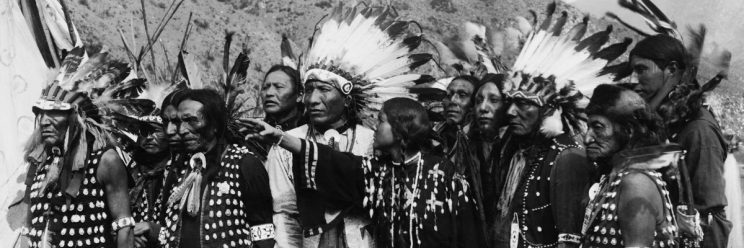
Native, First Nations, Indian: Researching Indigenous Peoples
18 Nov 2021 Webinar
Researching tribal peoples can be difficult without basic history and records information. While this session will review and provide guidance on basic methods of the rich resources of information for Native/First Nations peoples, this session will focus on the variety of records that will document Indigenous peoples as well as share content about the culture, spiritual traditions and aspects of Indigenous societies that can impact how and where records can be found.
-
Migration Patterns of Germans within America
21 Oct 2021 Webinar
We’ll explore how historical events channeled Germans into certain areas and how chain migration drew allied families together. Many migrated from NY/MD/PA down the Shenandoah Valley into VA, NC and SC. Accessible rivers and railroads led to the establishment of the German Triangle between Cincinnati, Milwaukee and St. Louis. The National Road and German-language advertisements channeled them to Indiana, Illinois, Michigan, Missouri, Wisconsin and points west. The 1848 Revolution led them to the Texas German Belt. Knowing where your ancestors settled in the mid-1800s can often lead you backwards by considering the migration routes of other Germans, particularly allied families.